

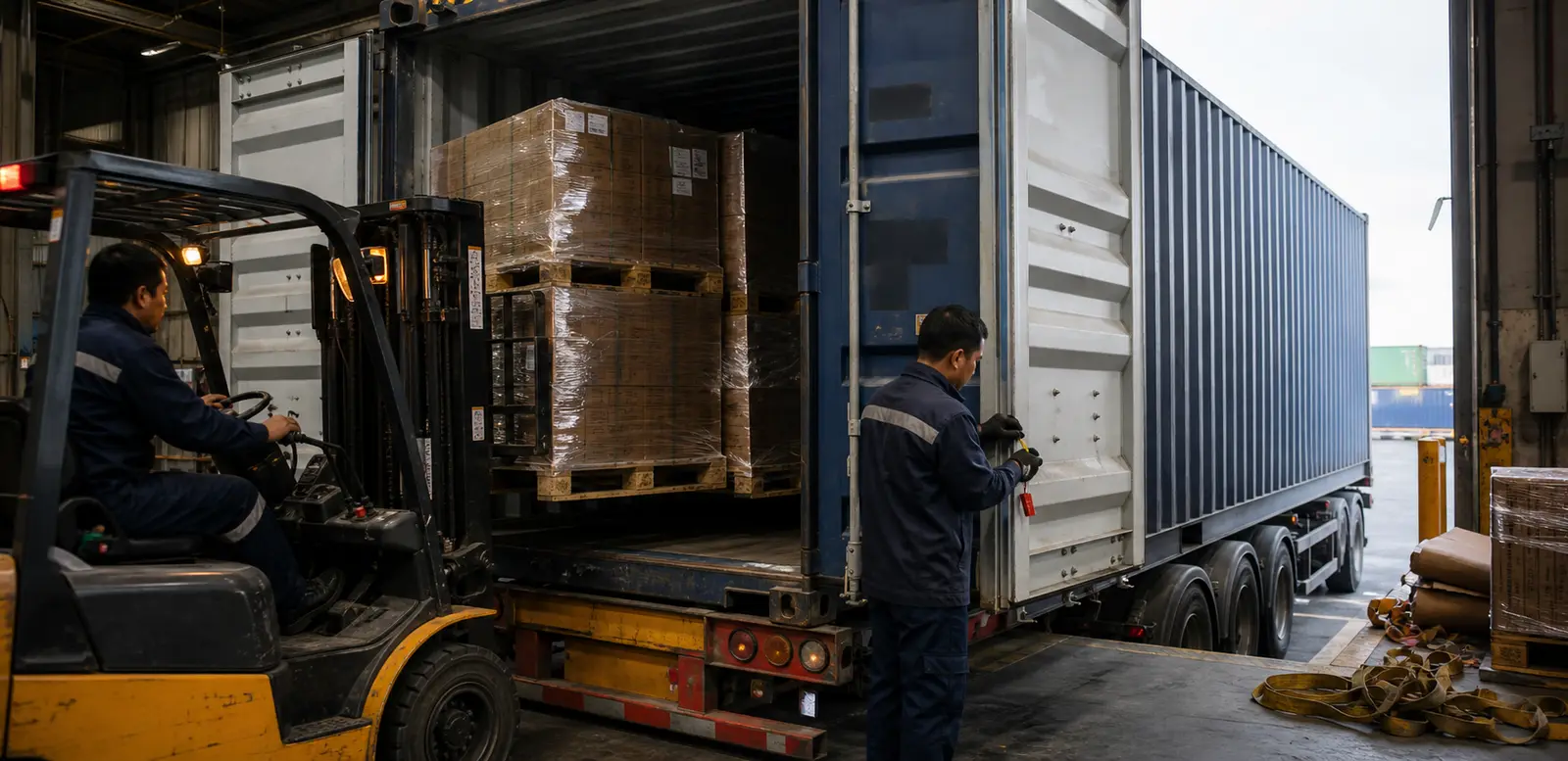
Containerless vessel training helps freight teams build the practical skills needed to plan and handle breakbulk cargo safely, while aligning crew capability with shipment schedules and vessel requirements. For buyers moving heavy equipment from China to the Middle East, Africa or South Asia, trained personnel can improve coordination from cargo preparation and port loading through sea passage and discharge.
What containerless vessel training covers
In this context, containerless vessel training focuses on cargo operations aboard conventional breakbulk, general cargo and multipurpose vessels, where freight is carried as individual pieces or units rather than inside standard shipping containers. A shipment may include machinery, steel structures, turbines, vehicles, industrial modules or oversized components. Some pieces may be bundled or packed, but their handling and stowage still require cargo-specific planning.
Training can cover vessel layouts, cargo plans, hatch and hold access, deck stowage limits, lifting arrangements, rigging, lashing, cargo securing, weather precautions and communication between ship, terminal, surveyor and forwarder. It should also explain how cargo dimensions, centre of gravity, lifting points and handling restrictions affect the choice of vessel and loading sequence.
It is not a substitute for vessel-specific procedures or qualified supervision. Instead, it gives planners and operations teams a shared foundation so they can identify risks early, ask the right technical questions and assign appropriately experienced personnel to each move.
Why training matters for workforce planning
Breakbulk work is less standardised than container operations. Two pieces of machinery with similar weights may need different lifting gear, support points or stowage positions. A late change to one item can affect the cargo sequence, equipment allocation and labour needed at the port. Without a baseline of practical knowledge, teams may underestimate the time required for surveys, rigging checks, crane coordination or lashing inspections.
Workforce planning starts by mapping the shipment against the skills required at each stage. A project cargo move may call for personnel with experience in cargo measurement, lifting-point verification, crane signalling, rigging supervision, stowage planning, lashing inspection and export documentation. Training helps managers distinguish between tasks that a general operations team can coordinate and tasks that require a specialist, certified operator or appointed surveyor.
It also supports more realistic staffing around vessel windows. If cargo must be received, inspected, lifted and secured within a narrow port call, the planner needs to know which roles must be present at the same time. Assigning trained backups for critical functions can reduce dependence on one person and help teams respond to shift changes, congestion or a revised loading sequence.
Build a role-based training plan
Match skills to the cargo and operation
Begin with a cargo profile that records each piece’s dimensions, gross weight, centre of gravity where available, packing type, lifting points and handling restrictions. Compare this with the proposed vessel, port equipment and route. The resulting skills matrix should identify who prepares the cargo plan, who checks lifting arrangements, who coordinates terminal activity and who verifies securing. It should also show where external specialists are required.
Training can then be divided into common awareness and task-specific instruction. Common modules may cover breakbulk terminology, cargo flow, documentation and escalation procedures. Task-specific modules can address rigging, lifting supervision, cargo securing or the operation of particular equipment, subject to local regulations and employer requirements. Keep records of training, assessments and relevant qualifications so that dispatchers can confirm crew readiness before a booking is finalised.
Use shipment scenarios, not only classroom content
Scenario-based exercises help teams apply the material to real planning decisions. For example, staff can review a heavy machine with limited lifting points and determine what information is missing before a loading plan is approved. Another exercise can test how a change in piece dimensions affects the hold arrangement, discharge order or shore crane requirement. These discussions reveal gaps in communication before the cargo reaches the quay.
Refreshers are useful when the cargo type, vessel arrangement, port equipment or operating procedure changes. A short pre-shipment briefing can connect trained staff with the actual packing list, drawings, cargo plan, lifting method and emergency contacts for that movement.
Connect training with booking and transit planning
Training improves decisions before a vessel is selected. A forwarder needs accurate cargo data to compare suitable breakbulk or multipurpose options, confirm lifting capacity and check whether cargo can be loaded through a hatch, over the side or by another approved method. Vessel availability, port rotation, cargo dimensions, handling method, seasonal demand and destination infrastructure all affect schedule and price. There is no reliable universal freight rate for project cargo; quotations depend on the shipment’s weight and volume, stowage characteristics, route, port costs, equipment and service scope.
For planning purposes, port-to-port sea transit from China may commonly fall around 10–25 days to parts of South Asia, 15–30 days to parts of the Middle East and 25–45 days to parts of Africa. These are indicative ranges, not guaranteed schedules. Vessel routing, transshipment or port calls, weather, congestion, customs processes and service frequency can extend the total door-to-door timeline. A trained team is better positioned to separate sailing time from cargo readiness, port handling and inland delivery time.
Build schedule allowance for cargo inspection, port receiving cut-offs, loading and securing, document approval and destination discharge. Confirm whether the terminal can accept the cargo dimensions and weight, whether a mobile or shore crane is needed, and whether permits or special access arrangements apply. The right plan includes contingencies for a delayed vessel, an unavailable crane or a change in the loading sequence.
Prepare documents, packing and port handling
Accurate paperwork supports both safe handling and smoother port coordination. Typical documents include the commercial invoice, packing list, shipping instructions, export customs information and bill of lading details. Depending on the cargo and route, teams may also need technical drawings, weight certificates, lifting diagrams, cargo securing information, dangerous goods declarations or permits. Requirements vary by commodity, carrier and country, so confirm them with the forwarder and relevant authorities before cargo dispatch.
Packing must protect equipment from lifting, movement, moisture and exposure during the voyage without hiding essential handling information. Crates and skids should be designed for the actual cargo weight and lifting method, with clear markings for gross weight, dimensions, centre of gravity, lifting points and orientation where applicable. Confirm that packaging materials and any timber components meet destination import rules. For uncrated machinery, agree on suitable protection, blocking and support points with the shipper and handling team.
At the port, receiving checks should compare cargo condition and markings with the shipping documents and cargo plan. Photographs and inspection records can help establish the condition before loading. Coordinate the work sequence among the terminal, vessel representative, crane operator, rigging team and surveyor. After loading, inspect the stow and securing arrangement in line with the approved plan and vessel procedures. Discharge planning matters just as much: confirm lifting access, terminal capability and onward transport before the vessel arrives.
Manage cargo risk and insurance
Training can reduce avoidable handling errors, but it cannot remove the risk of damage, delay or loss. Buyers should review marine cargo insurance before the shipment moves and confirm that the policy covers the cargo value, route, handling method and relevant loading and discharge stages. Check exclusions, deductibles, packing conditions, survey requirements and claim notification deadlines with the insurer or broker.
Share accurate cargo values and technical information when arranging cover. Keep records of packing, pre-shipment condition, loading, securing and delivery, including survey reports where required. Clear responsibility for inspections and incident reporting helps avoid uncertainty if damage is discovered at discharge. The forwarder can coordinate logistics information, while the buyer should confirm that insurance terms match its own risk exposure and sales contract.
Use training as an operational capability
A practical training programme should be reviewed against shipment outcomes. Track indicators such as cargo-plan revisions, missed port cut-offs, handling delays, documentation corrections, equipment changes and damage reports. These measures can show whether the workforce plan is realistic and where additional instruction or specialist support is needed.
For China-origin heavy equipment, the most useful approach connects training to each shipment rather than treating it as a standalone course. Start with cargo data, select a suitable vessel and handling plan, assign trained people to critical tasks, confirm documents and insurance, then brief the operating team before port delivery. This makes workforce capability part of freight planning and helps buyers coordinate complex cargo with fewer last-minute surprises.
FAQ
Who should receive containerless vessel training?
Operations planners, project cargo coordinators and staff involved in cargo handling or vessel-interface planning benefit. Specialist tasks still require appropriately qualified personnel.
Does training guarantee faster transit?
No. It can improve readiness and reduce avoidable handling delays, but sailing schedules depend on vessel routing, port conditions and other factors.
What information should buyers provide first?
Share dimensions, weight, packing details, lifting points, cargo value, origin and destination, required delivery timing and any handling restrictions.
Send the dimensions and the lane. A planner will come back with options.