

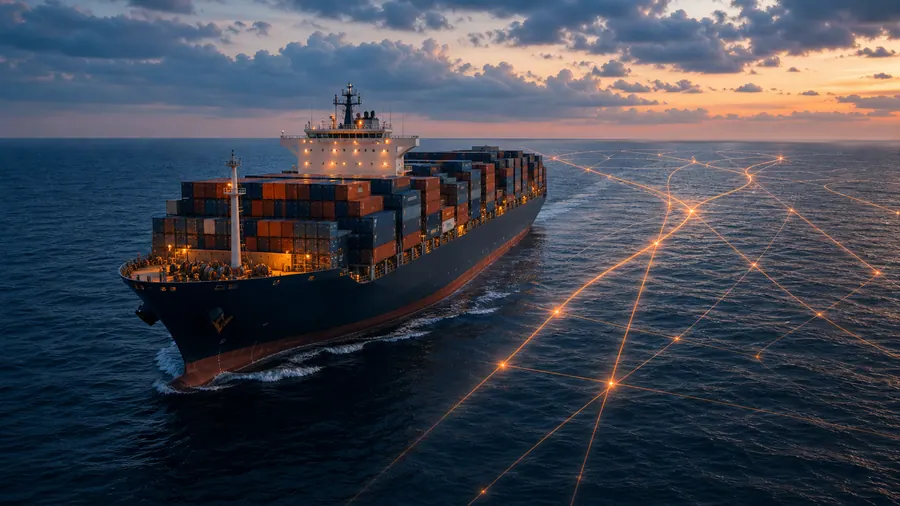
UAE east coast terminal openings are giving project cargo shippers a practical alternative to the Jebel Ali and Hormuz default, especially for breakbulk, RoRo and OOG loads moving between China, the Gulf, Africa and South Asia. The shift does not replace Jebel Ali; it changes how forwarders compare direct east-coast calls, Jebel Ali plus road, and transshipment through Oman or Sri Lanka.
Why UAE East Coast Terminal Openings Matter
Terminal capacity at Fujairah, Khor Fakkan and nearby east-coast locations sits outside the Strait of Hormuz on the Gulf of Oman. For heavy equipment, modules, skids and rolling stock, that geography can shorten the sea leg for cargo bound to Oman, East Africa, India and some UAE projects, while reducing exposure to Hormuz queues. New berths and yard space also create more options for heavy-lift vessels that need a laydown area, a RoRo ramp or a crane lift without entering the busiest Dubai-facing port complex.
But east-coast terminals are not a universal fix. Road access to Dubai, Abu Dhabi and western UAE project sites crosses mountain terrain and adds inland permits, escorts and longer trucking. Shippers should compare total landed cost, not just ocean freight.
How Project Cargo Routing from China Changes
Direct breakbulk and heavy-lift calls
For cargo that can be discharged at an east-coast berth, a direct breakbulk or heavy-lift sailing from Shanghai, Tianjin, Qingdao or Guangzhou can avoid a Jebel Ali transshipment. Typical China-to-UAE east-coast transit ranges are about 18-28 days port to port, depending on load port, vessel rotation and whether the call is direct or combined with India or Oman. Oversize units still need berth suitability checks: draft, crane capacity, lifting points, yard bearing pressure and tidal windows.
RoRo and container-plus-truck options
Wheeled equipment and high-value machines often move by RoRo to Jebel Ali or an east-coast RoRo berth, then by lowbed or multi-axle trailer. Containerised project parts may be cheaper via Jebel Ali plus road, but the inland leg can add 1-3 days and requires road permits for abnormal loads. For east-coast destinations in Oman or the UAE's eastern regions, direct discharge can cut trucking distance and damage risk.
Transshipment and feeder links
East-coast terminals can also work as feeder hubs for Oman, Pakistan, East Africa and South Asia. A China-origin project shipment may feed through Khor Fakkan or Fujairah to Sohar, Duqm, Karachi or Colombo, but each extra handling point adds lashing checks, insurance exposure and port-stay cost. Direct calls are usually preferable for very heavy or very large units unless the vessel schedule or berth window forces a transshipment.
Transit Times and Rate Factors to Model
As a planning guide, breakbulk and heavy-lift shipments from China to UAE east-coast ports usually range from 18 to 30 days, while China to Jebel Ali plus road adds roughly 2 to 7 days for clearance and inland delivery. RoRo transit is often 20-32 days depending on service and stopovers. These are ranges, not committed schedules.
Rate factors include:
- Vessel type and lift: breakbulk, heavy-lift, RoRo or container; crane capacity and whether a tandem lift is needed.
- Cargo dimensions and weight: length, width, height, centre of gravity, lifting points and yard footprint.
- Load port in China: Shanghai, Tianjin, Qingdao, Guangzhou and smaller river ports have different feeder and berth options.
- Discharge terminal: berth availability, port stay, storage, heavy-lift supervision and security.
- Inland leg: road permits, escorts, bridge surveys, lowbed availability and mountain-route restrictions.
- Season and congestion: Ramadan and holiday periods, weather, bunker adjustments and Hormuz or Red Sea disruptions.
Forwarders should quote separate ocean, port handling, inland and insurance lines so buyers can compare east-coast and Jebel Ali routings on a like-for-like basis.
Port Handling, Permits and Documentation
East-coast project cargo still needs the same discipline as any UAE import. Confirm berth draft and crane capacity before booking, and ask for a pre-stowage or lift plan for OOG units. Check whether the terminal allows direct loading onto road trailers, or whether cargo must be stored in a laydown yard first. Heavy lifts may need a port-approved method statement, banksman and exclusion zone.
Documentation typically includes the bill of lading, commercial invoice, packing list, certificate of origin, HS codes, insurance certificate and any project import approval. UAE customs, port authority and road authority requirements vary by emirate, so the consignee and local clearing agent must confirm import permits, duty treatment and OOG road permits before the vessel arrives. For machinery, include serial numbers, weight and dimension drawings, and fumigation or ISPM 15 certificates for wooden packing.
Packing, Securing and Insurance for OOG Cargo
Heavy equipment should be shipped on engineered cradles or skids with sea fastening designed for the voyage. Use corrosion protection, shock and tilt indicators, weatherproofing and clear lifting marks. For breakbulk, lashing plans should be reviewed against the vessel's motion and stowage position; for RoRo, confirm ramp angle, ground clearance and battery or fuel isolation rules. All-risk cargo insurance should cover the full project route, including port handling, storage and inland trucking, with OOG and delay-in-start-up extensions where the project budget supports them.
What Shippers Should Do Before Booking
- Compare three routings: direct east-coast, Jebel Ali plus road, and transshipment via Oman or Sri Lanka.
- Obtain a berth and crane feasibility check for the exact cargo dimensions and weight.
- Price the inland leg with permits, escorts and route surveys included.
- Confirm customs and import approvals with the consignee's broker.
- Lock down packing, lashing and insurance scope before the cargo leaves China.
UAE east coast terminal openings give project cargo buyers more negotiating room, but the winning route is still the one with the lowest total risk and landed cost. For China-origin breakbulk, RoRo and OOG cargo, early feasibility work with a forwarder that handles heavy equipment is more valuable than a headline ocean rate.
FAQ
Are UAE east coast terminals suitable for all project cargo?
No. They suit many breakbulk, RoRo and OOG shipments, especially for Oman, East Africa and eastern UAE, but very heavy or high-clearance loads may still be better via Jebel Ali plus road.
How much does project cargo shipping to UAE east coast cost?
There is no single rate. Quotes vary with vessel type, lift, dimensions, port stay, inland permits and season; compare total landed cost rather than ocean freight alone.
What documents are needed for OOG cargo?
Expect a bill of lading, invoice, packing list, certificate of origin, HS codes, insurance certificate, import approval, and road permits for abnormal loads, plus ISPM 15 or fumigation papers for wood packing.
Send the dimensions and the lane. A planner will come back with options.