

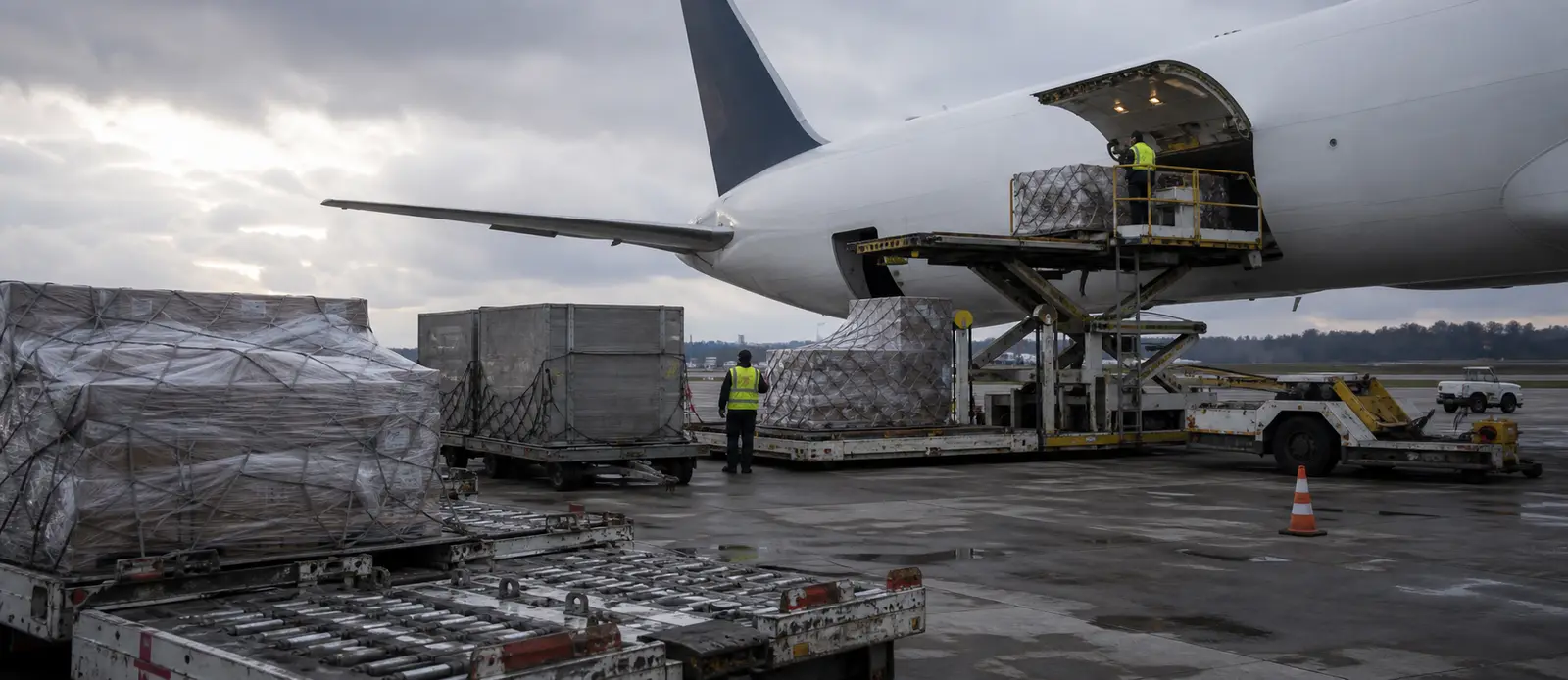
European heavy-lift rocket plans could create new demand for the oversized equipment, launch-site infrastructure and specialist transport that support aerospace programmes. For project cargo buyers, the practical effect is not rocket transport itself; it is a more complex supply chain for moving large structures, machinery and components to manufacturing sites, test facilities and launch locations.
Why rocket plans matter to project cargo
Developing heavier launch capability involves more than assembling a vehicle. Industrial programmes may need production machinery, test stands, storage systems, transport frames, ground-support equipment and upgraded site infrastructure. Some items are made near the final facility, while others are sourced internationally. When equipment is too wide, tall or heavy for standard containers, the logistics plan may require flat racks, open-top containers, roll-on/roll-off (RoRo) vessels or breakbulk shipping.
Demand will depend on programme schedules, procurement choices and where equipment is manufactured. A planned rocket does not automatically mean a surge in freight: engineering phases, budgets and approvals can shift, and many components may move in several smaller consignments rather than one major shipment. Buyers should treat aerospace development as a potential source of sustained, specialised cargo demand—not as a guaranteed shipping boom.
Which cargo may need specialist handling?
Typical project cargo can include machine tools, assembly fixtures, large metal structures, environmental-control equipment, power systems, tanks, test equipment and building components. Cargo associated with aerospace projects can also be sensitive to vibration, moisture, contamination or handling orientation. Even a piece of equipment that fits inside a container may need engineered blocking, shock monitoring or controlled lifting.
Before choosing a mode, confirm the cargo’s packed dimensions, gross weight, centre of gravity, lifting points and any limits on tilt or stacking. Ask the supplier for drawings and a packing specification, not just a product data sheet. A small difference in height can affect vessel stowage, terminal equipment, road permits or whether a cargo can pass beneath bridges on the delivery route.
How to select the right shipping method
OOG containers and RoRo
Out-of-gauge (OOG) flat racks and open-top containers can suit machinery or structures that exceed standard container dimensions but remain compatible with container-vessel handling. RoRo may be suitable for wheeled, self-propelled or mafi-mounted cargo that can be driven or towed onto the vessel. Both options require confirmation of terminal acceptance, securing arrangements, lifting or rolling capability and final inland access.
Breakbulk and project shipping
Breakbulk is often considered for very large or heavy pieces that do not fit container equipment, or when a shipment contains several different cargo units that need coordinated lifting. A project vessel may offer suitable cranes, but vessel availability, sailing frequency, port capability and stowage planning all matter. For irregular cargo, a specialist survey and engineered transport plan can prevent a low-cost ocean option from becoming an expensive port or road problem.
Air freight can reduce transit time for smaller, high-priority parts, but size and weight limits quickly make it unsuitable for major structures. Buyers may use a mixed-mode plan: ship heavy equipment by sea, then move urgent spares or control components by air, subject to export controls and carrier acceptance.
Transit time and freight-cost factors
As a planning guide, ocean freight from China to European ports commonly takes roughly 30–50 days port to port on container services, depending on origin, destination, routing and transshipment. Breakbulk or specialised project sailings can take about 35–60 days or longer when schedules, cargo consolidation or port calls add time. These are indicative ranges, not commitments. Inland transport, customs clearance, terminal queues and delivery appointments add further days.
Air shipments may take roughly 3–10 days airport to airport, but oversized cargo needs specialised capacity and handling, and total door-to-door time is longer once collection, screening, customs and delivery are included. Confirm current schedules with the forwarder before setting installation dates, and build contingency into a critical-path shipment.
Freight cost is shaped by cargo dimensions and weight, vessel space, equipment type, route, season, fuel and terminal charges. OOG pricing can also reflect special stowage, crane use, lashing materials, surveys and engineering. Inland charges depend on road distance, axle loads, escorts, permits, bridge restrictions and whether a route survey is needed. Compare quotations on the same basis: check which origin and destination services, port costs, lashing, customs support and final delivery are included.
Documentation, permits and compliance
Prepare a commercial invoice, detailed packing list, shipping instructions and any required export declaration. Make sure the product description, quantity, values, weights, dimensions, package marks and customs classification are consistent across documents. Depending on the transaction and destination, buyers may also need a certificate of origin, import licence, conformity documents or other product-specific certificates.
Aerospace-related equipment can require additional screening. Some goods, software or technical data may be controlled because of their intended use, performance or destination. The exporter and importer should check applicable export-control rules, end-user requirements and sanctions restrictions before cargo is booked. Do not assume that describing an item as industrial machinery resolves classification or licensing questions.
For wooden crates and dunnage used in international trade, confirm that applicable wood-packaging treatment and marking requirements are met. Dangerous goods, batteries, chemicals or pressurised items need correct classification and declarations. For oversized inland moves, obtain route and permit assessments early; road authorities may require advance notice, escorts, restricted travel times or temporary infrastructure changes.
Packing, port handling and cargo protection
Packaging should be designed around the full journey, including lifting, temporary storage, sea exposure and inland transfer. Use a qualified packer to select a crate or transport frame that supports the load without placing pressure on delicate surfaces. Protect machined faces and electrical interfaces, use moisture barriers or desiccants where appropriate, and mark lifting points, centre of gravity, orientation and no-stack restrictions clearly.
At the port, confirm in writing how the cargo will be lifted, what equipment is available and who supplies slings, spreader beams or other lifting gear. Share lift drawings and verified weights before arrival. A pre-shipment survey can record condition, dimensions, packing and securing, while photographs can help document handovers. For exposed cargo, agree suitable weather protection and avoid leaving sensitive equipment in open storage longer than necessary.
Insurance and delivery planning
Standard carrier liability is generally limited and may not cover the cargo’s full replacement value or every cause of loss. Consider marine cargo insurance for the agreed value and route, including loading, transshipment and inland legs where needed. Review exclusions for inadequate packing, delay, inherent defects and project-specific risks, and confirm who is responsible for arranging cover.
Plan the destination delivery before the vessel sails. Check unloading capacity, site access, road geometry, crane availability, ground bearing capacity and the receiving team’s schedule. A shipment can clear customs on time and still miss a commissioning window if the final route or lifting equipment has not been arranged. Keep the manufacturer, consignee, customs broker, forwarder and site team aligned on one delivery plan and escalation contact.
What buyers should do next
For buyers supporting European aerospace infrastructure, the most useful first step is a cargo data pack: accurate drawings, weights, dimensions, lifting details, packing requirements, origin, destination and required delivery date. Share it early enough for the logistics team to compare container, RoRo and breakbulk options, check route constraints and reserve suitable capacity. Stage procurement milestones around realistic transport windows, not only factory completion dates.
As heavy-lift launch programmes evolve, the logistics opportunity will be concentrated in reliable execution: correctly classified cargo, engineered packing, suitable port handling and compliant delivery. Early coordination helps buyers control schedule risk and avoid paying for avoidable rework, storage or emergency transport.
FAQ
Will rocket programmes ship complete rockets by freight?
Most project logistics demand is for equipment, structures and components moving between suppliers, facilities and launch sites—not routine transport of complete rockets.
Which shipping method is best for oversized aerospace equipment?
It depends on dimensions, weight, handling needs and route access. OOG containers, RoRo and breakbulk should be compared against the cargo drawings and delivery plan.
When should buyers start planning a shipment?
Start as soon as dimensions, weight and delivery location are known. Early planning allows time for surveys, permits, vessel selection, packing and export-control checks.
Send the dimensions and the lane. A planner will come back with options.