

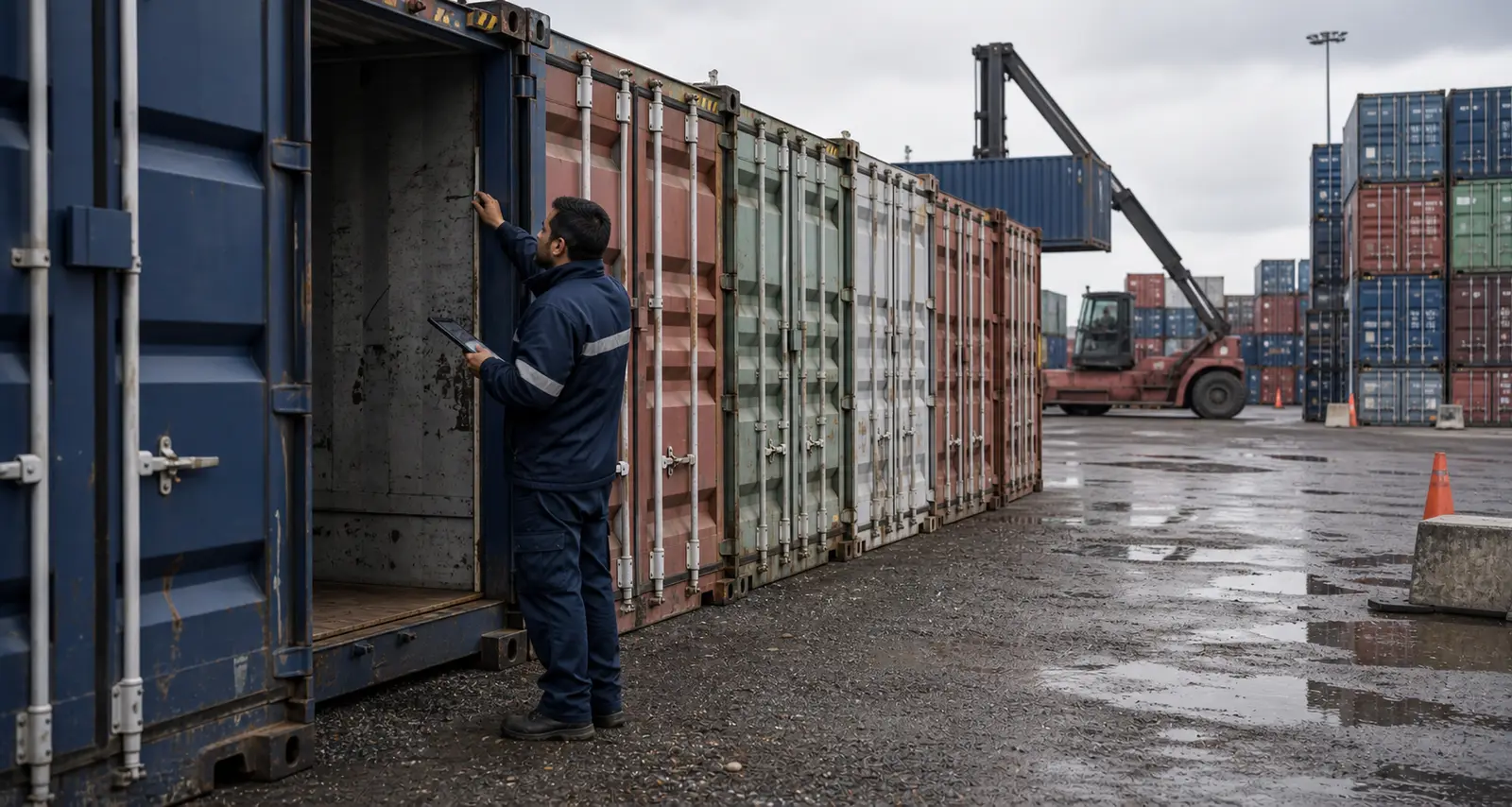
India’s project pipeline affects heavy equipment imports by changing documentation lead times, vessel and port requirements, and the coordination needed for inland delivery. Buyers moving machinery from China should align cargo specifications, customs preparation and port planning with the project schedule before equipment is ready to ship.
Why project activity changes import planning
Infrastructure, energy, manufacturing and construction projects often require machinery in coordinated batches rather than as isolated shipments. A delayed crane component, production line or power-generation unit can hold up installation, so the import plan needs to account for the cargo’s full journey: factory collection, export handling, sea transport, Indian customs clearance, port release and delivery to site.
Project demand can also concentrate cargo arrivals around construction milestones. When several suppliers ship around the same time, vessel space, lifting equipment, storage areas and suitable delivery slots may be harder to secure. This matters especially for out-of-gauge (OOG) cargo, breakbulk shipments and self-propelled or towable units moving by RoRo. Buyers should confirm shipping windows and discharge requirements early, rather than treating the port as a simple handover point.
Build the customs document set before dispatch
India’s customs requirements depend on the goods, importer, tariff classification and applicable regulatory controls. Use an experienced Indian customs broker to confirm current requirements for the specific machinery and import transaction. The importer should also confirm that its Importer Exporter Code (IEC) and other applicable registrations are in place.
Core commercial and transport documents
- Commercial invoice: Show an accurate description, quantity, value, currency, seller and buyer details, and the agreed sale terms. Avoid vague descriptions such as “machinery parts” when a more precise description is available.
- Packing list: Identify each package, its contents, dimensions, gross and net weight, and any lifting or handling marks. Number packages consistently with the cargo and shipping documents.
- Bill of lading: Check shipper, consignee, notify party, cargo description, package count and destination details before issuance. For RoRo or breakbulk cargo, make sure the transport document and cargo manifest reflect the actual unit or pieces.
- Certificate of origin: Provide it when required for the transaction, customs procedure or a preferential tariff claim. Confirm the relevant origin rules and supporting evidence rather than assuming that dispatch from China determines origin.
The Indian customs broker will advise on the Bill of Entry and supporting filings, including the appropriate document submission process and any additional data required for assessment. Classification under the correct HS code is essential: it affects duty treatment, regulatory checks and the information customs may need. Share technical catalogues, model and serial numbers, material details, intended use, and a clear explanation of whether the shipment is a complete machine, a set, or separate components.
Check product-specific approvals and special cargo needs
Not every machine faces the same controls. Ask the broker and relevant compliance advisers to check whether standards, permits, registrations, testing, or other approvals apply to the particular product. Do this before loading; discovering a missing approval after arrival can add storage, examination and demurrage exposure. If cargo contains batteries, fuel, oils, gases or other regulated materials, provide safety data and transport classifications early so the carrier can confirm acceptance and handling conditions.
Where the equipment is imported in multiple shipments, coordinate the paperwork and descriptions across consignments. Keep invoices, packing lists, serial-number schedules and technical documents consistent. For machinery arriving in knocked-down form, confirm with the broker how the shipment should be described and assessed; do not assume that separate components will automatically receive the same treatment as a complete unit.
Choose a port around cargo and site requirements
The best port is not necessarily the closest port on a map. Compare the vessel’s service and discharge capability, the cargo’s dimensions and weight, available handling methods, terminal procedures and the road or rail route to the project site. Depending on origin, destination and service availability, buyers may assess gateways such as JNPA (Nhava Sheva), Mundra or Kandla on the west coast, and Chennai, Visakhapatnam or Krishnapatnam on the east coast. This is a planning shortlist, not a guarantee that every port or terminal can accept every unit.
Ask the forwarder and terminal to confirm practical limits and arrangements for the actual cargo: berth and vessel compatibility, crane capacity, lifting points, discharge method, yard space, temporary storage and onward collection. For OOG or breakbulk cargo, submit drawings and dimensions well in advance. For RoRo, verify ramp access, ground clearance, vehicle condition and whether the unit can be driven or must be towed. Port choice should also reflect the inland route, including bridge limits, road geometry, axle-load rules and any local movement restrictions.
Plan handling, packing and inland delivery together
Heavy equipment needs packing that protects it from sea spray, vibration, handling impacts and weather during storage. Use export-grade crating or skids designed for the cargo’s weight and center of gravity. Mark lifting points, gross weight, dimensions and orientation clearly. Protect sensitive electrical and hydraulic components; use moisture barriers or desiccants where appropriate, and confirm that the packing method allows customs inspection without unnecessary damage.
Provide a cargo data sheet with final packed dimensions and weights, center of gravity, lifting instructions, tie-down points, photographs and, where available, drawings. A lifting plan should identify suitable slings and spreader beams and explain how the cargo is to be handled. If a piece is too large for standard container equipment, a specialist may recommend flat rack, open-top, breakbulk or RoRo based on its dimensions, weight, route and handling characteristics.
Inland movement can be as complex as ocean transport. Request a route survey for exceptional loads and confirm permits, escort requirements, bridge clearances, turning space, road restrictions and delivery-site access. Check whether the project site can receive the equipment on the planned date, with a suitable crane or unloading area ready. Align customs release, terminal collection, any transloading and final-mile delivery so that cargo does not wait at the port or arrive before the site can accept it.
Allow realistic time and budget for the full move
As an indicative planning range, ocean transit from China to Indian ports may take roughly 10–25 days, depending on origin and destination ports, routing, service frequency, transshipment and vessel availability. Project cargo can take longer to organize than standard container freight because it may require a suitable vessel, special loading arrangements and terminal approvals. Treat transit estimates as planning guidance, not a delivery commitment; allow additional time for customs examination, port congestion, weather and inland permits.
Freight costs vary with cargo dimensions and weight, loading method, vessel and route, port charges, lifting requirements, lashing and securing, storage, customs services, insurance and inland transport. OOG and breakbulk moves may incur separate survey, engineering, crane, handling or special equipment costs. Ask for a quote that itemizes origin and destination charges, documentation, handling, any transshipment, storage assumptions and delivery scope. There is no reliable single rate for all project cargo; a firm estimate requires accurate cargo data and a defined route.
Arrange cargo insurance before the goods leave the supplier. Confirm the insured value, covered transit stages, exclusions, deductible and whether loading, unloading, storage and inland movement are included. Provide packing and handling details to the insurer, and retain condition photographs and records at dispatch and receipt. Insurance does not replace proper packing or a documented cargo handover.
Coordinate suppliers, broker and forwarder early
Assign one party to maintain the shipment schedule and document checklist across the supplier, importer, customs broker, carrier, port agent and inland transporter. Share updates when dimensions, weights, readiness dates or shipment splits change; even a small difference between a booking and final cargo measurements can affect vessel acceptance, lifting plans or permits. Before dispatch, hold a readiness review covering the document set, cargo condition, packing, port selection, customs checks and delivery route.
For buyers managing several project shipments, a consolidated milestone tracker helps prevent one late component from disrupting installation. Track cargo-ready date, document approval, booking confirmation, vessel departure, estimated arrival, customs status, port release and site delivery. The result is a more controlled import plan, with fewer avoidable holds and better visibility of schedule and cost exposure.
Frequently asked questions
Which documents should be prepared first?
Start with accurate cargo specifications, invoice, packing list and technical documents. Ask the Indian customs broker to confirm classification, filing needs and product-specific approvals before loading.
How early should port handling be arranged?
Arrange it as soon as final dimensions, weight and handling requirements are known. OOG, breakbulk and RoRo shipments may need advance terminal and vessel approval.
How long does shipping from China to India take?
Ocean transit is often around 10–25 days, but routing, vessel schedules, customs and inland delivery can extend the overall project timeline.
Send the dimensions and the lane. A planner will come back with options.