

UK AR8 budget uncertainty can affect when offshore wind projects reach award, procurement and final investment decision milestones, so buyers should keep equipment shipping plans flexible until funding and delivery dates are clearer. It does not automatically cancel existing projects or contracts, but it can change the timing and volume of future cargo orders, making early logistics planning and carefully staged bookings especially important.
What AR8 budget uncertainty means for cargo planning
AR8 refers to the UK’s eighth Contracts for Difference allocation round. Its budget helps determine the level of support available to eligible renewable energy projects in the auction. When the budget, auction parameters or award timetable remain uncertain, developers may delay decisions on whether and when to commit to new projects. For logistics teams, that can mean less certainty around manufacturing release dates, port call windows and final delivery locations.
The effect is usually indirect. A change in the auction outlook does not, by itself, change the shipping status of equipment already ordered for a project with firm commitments. The greater exposure is among cargoes linked to projects awaiting an award, a final investment decision, or a confirmed notice to proceed. Buyers should separate firm project demand from forecast demand rather than treating every planned turbine or foundation shipment as equally certain.
Where uncertainty can disrupt offshore wind shipments
Manufacturing and cargo readiness
Large components often need long manufacturing lead times. A developer or equipment buyer may reserve production capacity before the final shipping window is known. If project milestones move, blades, tower sections, nacelles, monopiles, transition pieces, substations or cable drums may be completed earlier or later than expected. Holding cargo at a factory or origin port can create storage, handling and preservation costs; rushing it to meet an outdated schedule can create avoidable demurrage or missed connections.
Vessel and port capacity
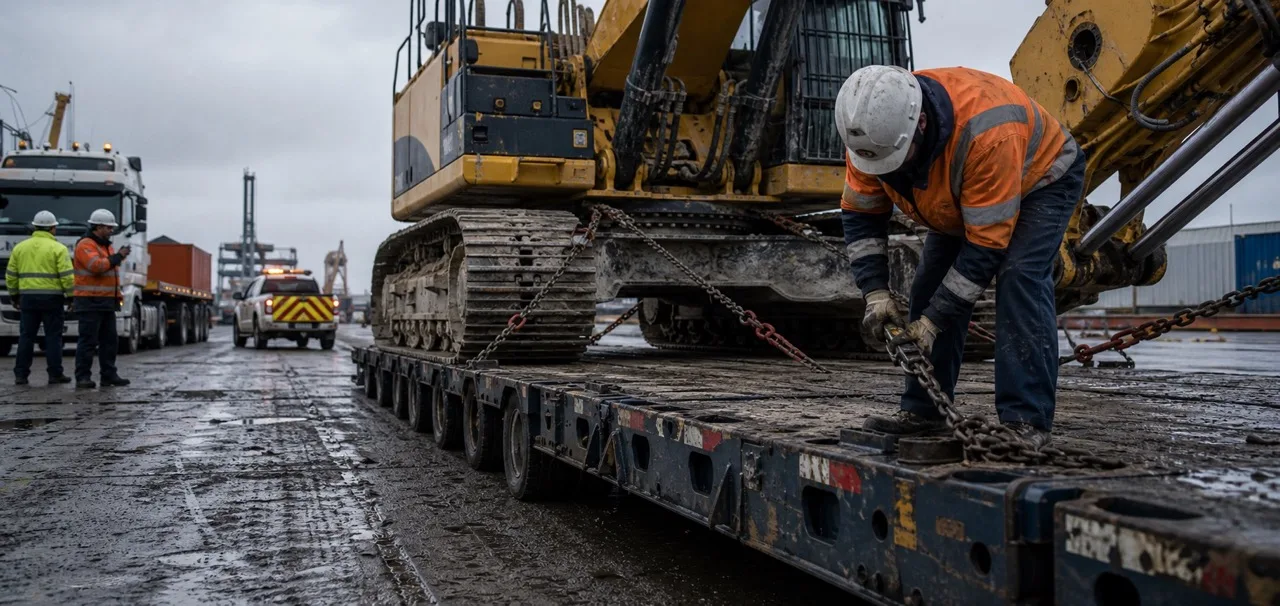
Oversized and heavy cargo needs suitable lifting gear, deck space, stowage plans and port facilities. A late change in volume or readiness can mean a different vessel, a new sailing window or a revised port sequence. Breakbulk, RoRo and heavy-lift capacity is not interchangeable: cargo dimensions, weight, lifting points, ramp limits and discharge equipment determine which option is suitable. Busy project seasons can tighten availability, so a delayed decision may leave fewer workable sailings even if the cargo itself is ready.
Site delivery and installation interfaces
Ocean transport is only one part of the schedule. UK discharge, temporary storage, customs clearance, abnormal-load road permits and onward delivery must align with the receiving port and installation programme. If a project’s planned installation window changes, cargo may arrive before laydown areas are ready or after a vessel or crane slot has passed. Treat the shipping plan as an end-to-end chain, not a port-to-port booking.
Build flexibility into the shipping plan
Start with a milestone-based cargo register. For each item, record its dimensions, gross weight, packing status, factory-ready date, required-at-site date, origin, destination, handling method and the project event that releases it for shipment. Mark dates as confirmed, forecast or provisional. This helps procurement and logistics teams see which items can be booked firmly and which need options rather than an irreversible commitment.
- Use decision gates: Tie firm vessel booking, dispatch from the factory and final inland delivery to clear project approvals or purchase-order milestones.
- Reserve options where available: Discuss conditional space, alternative sailings or booking amendments with the carrier and forwarder, and confirm any cancellation, rollover or storage charges in writing.
- Plan shipment batches: Where the project allows, stagger cargo to match installation sequence and reduce the time high-value equipment sits in storage.
- Keep alternatives viable: Check more than one suitable port, routing or handling method early, while confirming that each option can safely receive the actual cargo.
- Review weekly near dispatch: Reconcile factory readiness, document status, vessel schedules and site access so that a changed auction or project milestone is reflected before cargo moves.
For cargo moving from China to the UK, port-to-port ocean transit for project cargo commonly needs roughly 35–55 days, depending on origin, routing, vessel type, transshipment, port congestion and sailing frequency. This is a planning range, not a guaranteed transit time. Factory collection, export handling, vessel waiting, UK discharge, customs and inland delivery add time; allow additional schedule margin for non-containerized cargo and coordinated multi-piece shipments.
Understand freight cost drivers without relying on a headline rate
There is no single reliable freight rate for offshore wind cargo. A quote depends on the cargo’s length, width, height, weight and centre of gravity; lifting and lashing requirements; vessel type; route and sailing availability; origin and destination port capabilities; cargo readiness; and whether the shipment needs shore cranes, heavy-lift cranes, ramps or specialist trailers. Fuel and market conditions, seasonal congestion, storage, port handling, surveys, permits and inland transport can also affect the landed logistics cost.
Ask for a scope that separates ocean freight from origin handling, export documentation, terminal charges, securing, discharge, customs-related services and final delivery. Confirm the quote’s cargo assumptions, validity period, currency, included services and exclusions. A low base rate may not include the crane, special stowage, lashing materials, port storage or abnormal-load transport needed for a particular item. Compare complete, like-for-like scopes and keep a contingency for schedule changes rather than treating an early budget indication as a fixed price.
Prepare cargo, documents and insurance early
Before packing, provide accurate drawings and a final packing list showing each package’s dimensions, gross and net weight, lifting points and centre of gravity. Confirm whether cargo can be lifted from above, rolled on a ramp or handled with a spreader. For breakbulk and heavy-lift shipments, agree the lifting and securing plan with the carrier or appointed cargo surveyor before the cargo reaches the port. Poorly placed lifting points or late changes to package dimensions can trigger rework and missed sailings.
Use export packaging designed for sea transport, moisture protection and the expected storage period. Large steel components may need suitable corrosion protection, covers and clear identification of lift points. Crates should be engineered for the cargo’s weight and handling forces, with access for inspection where needed. Any wood packaging used in international trade should meet applicable ISPM 15 requirements. Photograph the cargo and packaging before dispatch, and record any existing damage or preservation measures.
Prepare the commercial invoice, detailed packing list, shipping instructions and bill of lading information well before vessel cut-off. Confirm the correct commodity classification, country-of-origin information and UK import arrangements with the importer or customs adviser. Export declarations and any cargo-specific permits or certificates should be checked against the actual goods and route. For abnormal loads after discharge, establish UK road dimensions and weights early so route surveys, permits, escorts and suitable trailers can be arranged.
Arrange marine cargo insurance based on the cargo’s full insured value and the agreed transit, including loading, discharge and any declared storage where required. Check the policy wording for exclusions, deductible, packing requirements and treatment of delay-related losses. Marine cargo cover may protect against physical loss or damage, but project delay or loss of revenue is not automatically insured. Buyers should confirm cover before dispatch and ensure the insured party, valuation and shipment details match the contract and shipping documents.
Make AR8 scenarios part of procurement reviews
Use at least three planning cases: an award and project decision on the expected timeline, a delayed decision, and a material change in the project pipeline. For each case, identify which cargo is already contractually committed, what can be rescheduled, and the cost of holding, redirecting or splitting shipments. Align this review across procurement, engineering, finance, the developer and the logistics provider. The goal is not to predict the auction outcome; it is to make sure that a change in the timetable does not turn into an avoidable cargo emergency.
When AR8 assumptions change, update the cargo register, vessel strategy and delivery sequence together. Confirm the latest project authority before releasing cargo, but avoid waiting until the last moment to explore vessel and port options. Clear decision ownership and timely data are often more valuable than a speculative early booking.
Frequently asked questions
Does AR8 uncertainty stop existing offshore wind shipments?
No. It does not automatically affect shipments tied to existing firm orders or project commitments, though buyers should verify each project’s current schedule.
How long should China-to-UK project cargo transit take?
Allow roughly 35–55 days port to port as an indicative range, then add time for handling, customs and inland delivery.
When should buyers book vessel capacity?
Discuss options early, then make firm bookings against confirmed cargo readiness and project milestones, with amendment terms documented.
Send the dimensions and the lane. A planner will come back with options.