

For factory-built modules destined for a Hong Kong data-centre site, the fastest and safest route was overland. Units crossed the Shenzhen–Hong Kong boundary under Z-plate abnormal-load permits, with escort and night-window scheduling handled end to end.
"},{"type":"stats","title":"Shipment at a glance.","items":[{"value":"June 2026","label":"Moved by road"},{"value":"18 t / 12 m","label":"Heaviest and longest unit"},{"value":"Z-plate permits","label":"Abnormal-load approval"}]},{"type":"features","kicker":"Scope","title":"What we handled.","items":[{"icon":"shield","title":"Ground transport","text":"Low-bed trailers and escort arrangements for 18-tonne, 12-metre modular units."},{"icon":"globe","title":"Z-plate permits","text":"Abnormal-load permits for the Shenzhen–Hong Kong boundary crossing, secured before the move window."},{"icon":"anchor","title":"Site delivery","text":"Delivery sequenced against the data-centre construction programme."}]}]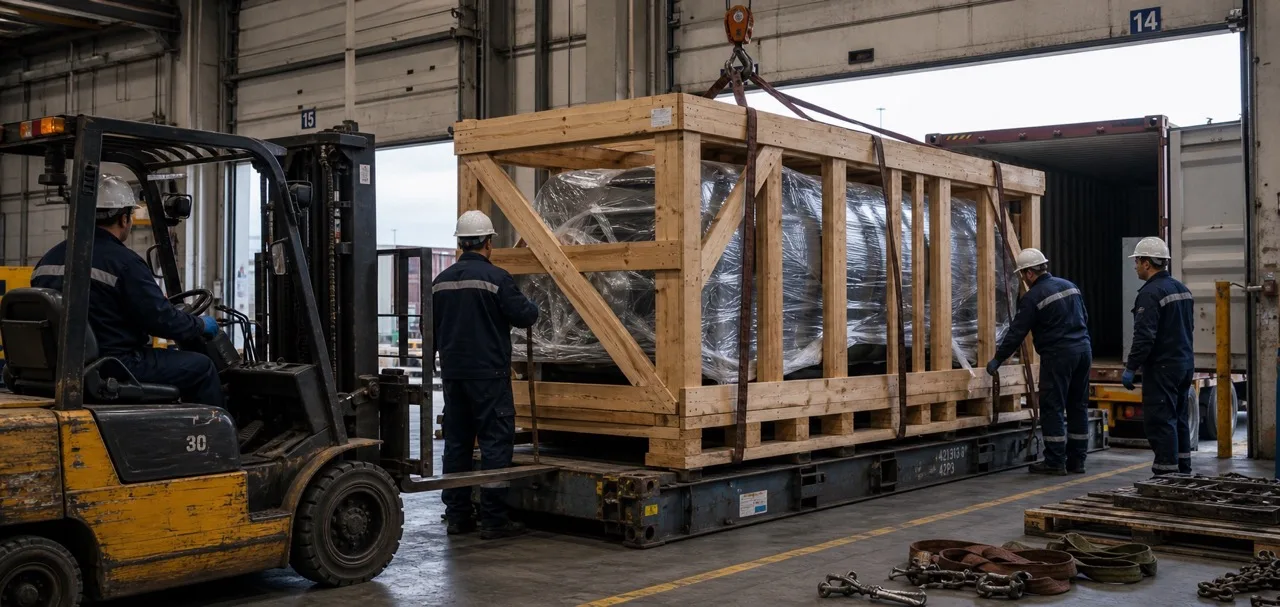
Case study
GDS modular units trucked from Shenzhen to Hong Kong under Z-plate permits
Modular units for a Hong Kong data-centre project moved by road in June 2026, crossing the border under abnormal-load Z-plate permits — a fully overland solution when ocean routing is not the answer.
18 t
Max unit weight
12 m
Max unit length
Z-plate
Cross-border permit
OriginShenzhen, China
DestinationHong Kong, China
ModeCross-border road transport
Industryheavy-equipment
[{"type":"lead","kicker":"Data centres / Hong Kong","title":"Cross-border trucking for modular construction","html":"